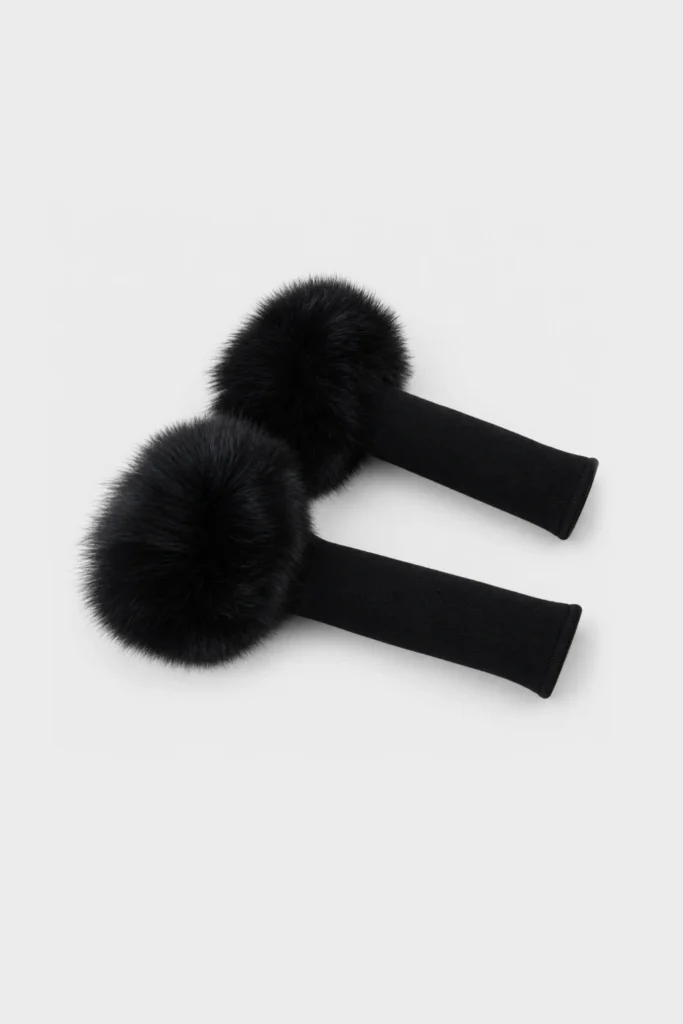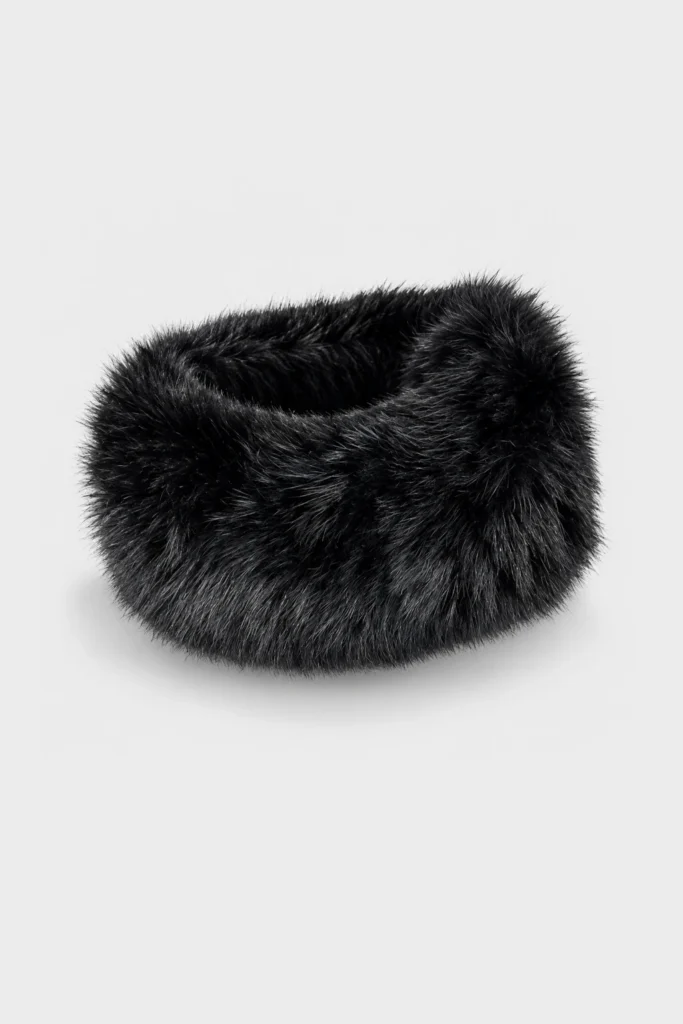
Yes, it is legal to wear real fur, and for many women it is a reasonable, considered choice: real fur is warm, it lasts for decades and it is a natural material rather than plastic. It is also a genuine ethical question on which thoughtful people disagree, so the honest answer is that it is OK if, having looked at the arguments, it sits right with you.
This article sets out those arguments on both sides without shouting, and then deals with the practical part: how to wear fur with confidence and what to say if someone comments.
Why do people ask whether it is OK to wear fur?
Because fur is one of the few things in your wardrobe that other people have opinions about. Surveys show real disagreement. In the European Commission’s Special Eurobarometer 533 in 2023, 57% of respondents said fur farming should be banned in the EU, while 32% said it should continue under improved welfare conditions.
At the same time, fur is very much back in fashion. The resale platform The RealReal reported that searches for “vintage fur coat” rose 191% in 2025, as reported by FashionUnited. So you are not alone either way.

What are the arguments for wearing real fur?
It lasts. The Fur Institute of Canada describes fur as “extremely durable when cared for correctly”. A fox collar or a pair of fur cuffs, worn every winter and stored properly, can serve you for many years. That is the opposite of fast fashion.
It is natural. Fur is skin and hair. Faux fur is made from plastics such as acrylic and polyester, which come from fossil fuels and shed microfibres. A test by the laboratory Organic Waste Systems, funded by the fur industry, found real fur biodegraded under landfill-like conditions while faux fur showed no measurable breakdown.
It is warm. Fur’s underfur traps still air close to the skin, and the leather base stops the wind.
It is your choice. Many women simply love how it looks and feels, and feel that a piece they will wear for decades is a responsible purchase. That is a legitimate position.
What are the arguments against?
Animal welfare. This is the heart of it, and it deserves to be taken seriously. In July 2025, the European Food Safety Authority published a scientific opinion finding that the main welfare concerns for farmed mink, foxes, raccoon dogs and chinchillas relate to the size and barren conditions of the cages used in current fur production. In March 2026, the UK government’s Animal Welfare Committee published an opinion on the responsible sourcing of fur that raised similar concerns.
The environmental cost of production. A 2011 life-cycle study by CE Delft, commissioned by animal welfare organisations, found that producing mink fur has a higher environmental impact than producing faux fur.
The fashion world is divided. In October 2025, Condé Nast, the publisher of Vogue, stopped featuring new animal fur in its editorial content and advertising, and houses such as Gucci, Prada and Versace have stopped using it.

Is vintage fur different?
For many people, yes. The argument is simple: the animal died decades ago, and throwing the coat away changes nothing. Wearing it gives a long life to something that already exists. Some animal welfare groups disagree, arguing that any visible fur keeps it fashionable. Again, it comes down to your own view.
How do you decide for yourself?
A few questions help:
- Will I wear it for years? If yes, the longevity argument holds. If it is a one-season trend piece, it is weaker.
- Does it feel right when I put it on? If it makes you uneasy, faux fur or a vintage piece may suit you better.
- Small or statement? You do not have to start with a full coat. A collar, cuffs or a trim is a smaller, quieter way to wear fur.
For a full side-by-side on warmth, lifespan and environment, read real fur vs faux fur. And if you want to know exactly where the law stands, see is fox fur legal in the UK?
How do you handle comments in public?
Most days, nobody says anything. Small pieces such as cuffs or a collar tend to draw far less attention than a full coat. But if someone does comment, it helps to have a plan.
Stay calm and brief. The aim is to end the conversation, not win it. A raised voice helps nobody.
Have one sentence ready. Something like:
- “It’s a choice I’ve thought about, and I’ll wear it for many years.”
- “I understand you feel strongly. I’ve made my decision.”
- “Thank you, I’ll bear that in mind.”
You do not owe a debate. A stranger on a train is not entitled to your reasoning. Smile, say one of the lines above and carry on.
If it is someone you know, a calm conversation can go well. Listen first. Explain that you chose a piece to keep for the long term, and that you weighed the arguments. People respect a considered view more than a defensive one.
If you feel unsafe, walk away, go into a shop or café, and do not engage. That is rare, but your safety matters more than any coat.
Can you wear fur in a way that feels more discreet?
Yes. A detachable piece is the easiest way to wear fur on your own terms. On days when you want warmth and glamour, put it on. On days when you want to be low-key, take it off.
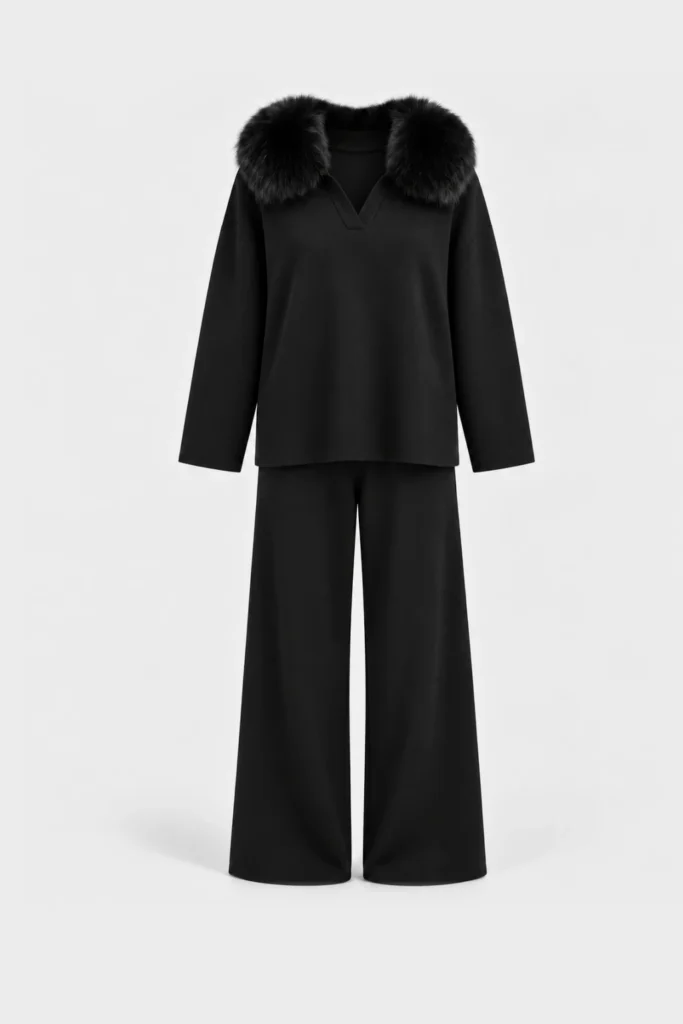
That is exactly why the piece we recommend here is the Fjell Collar Set. It is a plain knit polo-neck top with wide-leg trousers, and the large fox-fur collar detaches, so you decide when the fur comes out. One reviewer said the best thing is that she can remove the fur when washing. It is rated 4.9 by 46 customers. Our guide on how to wear a fur collar shows the outfits that suit it, and our fox fur page explains how the fur behaves.
The short answer
It is legal, it is warm, it lasts, and it is natural. It also raises real questions about animal welfare that you are entitled to weigh for yourself. If you decide to wear real fur, choose a piece you will keep for years, look after it, and wear it with the quiet confidence of someone who has thought it through.